Imagine stepping off a long flight only to discover your next journey starts from a distant terminal, or even another airport. For many, flight transfers can turn an exciting trip into a stressful race against the clock.
In 2026, the world of flight transfers is evolving rapidly. Connections are more complex, and global travel is surging as travelers reconnect post-pandemic. This guide is here to help you navigate these changes with confidence.
We will break down the essentials, from understanding the basics of flight transfers to using new technology for smoother connections. You will find step-by-step advice, insider tips, and real solutions to common transfer challenges.
Ready to master your next journey? With the right knowledge, you can turn any transfer into a seamless part of your adventure.
Understanding Flight Transfers in 2026
Navigating flight transfers is a crucial skill for modern travelers. As air travel continues to evolve, understanding the basics of connections helps you move confidently through airports worldwide. In 2026, mastering the essentials of flight transfers sets the foundation for stress-free journeys.
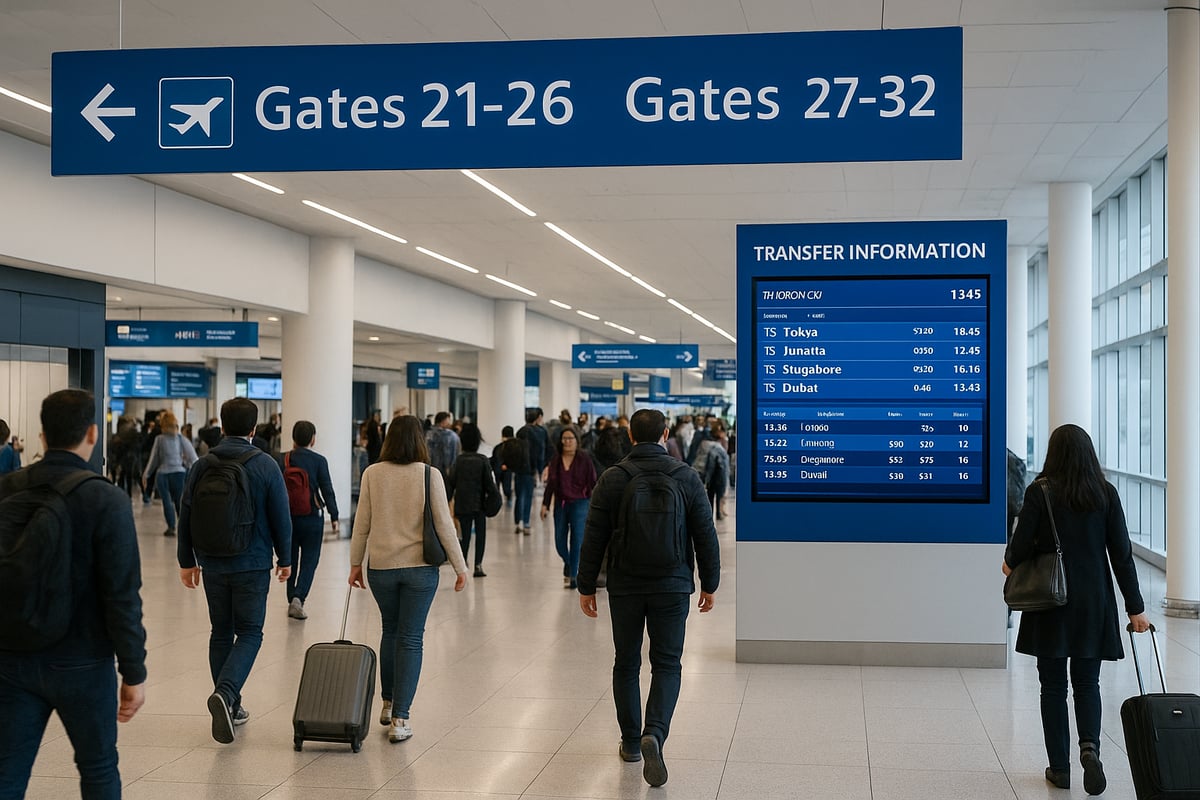
What Are Flight Transfers?
Flight transfers refer to the process of switching from one flight to another during a single journey. Common terms include "layover" for short stops, "stopover" for longer stays, and "connecting flights" when your trip involves more than one leg.
Domestic flight transfers occur within the same country, while international transfers involve crossing borders and may require additional procedures. For example, a traveler flying from New York to London via Paris experiences an international transfer in Paris, while a connection within the US is domestic.
Typical scenarios for flight transfers include multi-city itineraries, long-haul international flights, or budget journeys that require multiple carriers. Knowing these basics prepares you for a smoother experience at any airport.
Types of Connections: Self-Transfer vs. Protected Transfer
There are two main types of flight transfers: self-transfer and protected transfer. Self-transfer means booking separate tickets with different airlines or booking platforms. Protected transfer, on the other hand, involves a single booking that covers all legs of your journey, often with partner airlines.
Self-transfer offers flexibility and potential cost savings, but comes with risks like missing a connection if your first flight is delayed. Protected transfers provide added security, as airlines handle rebooking in case of disruptions. According to IATA’s 2024 World Air Transport Statistics Report, about 30% of travelers chose self-transfer options in 2025, reflecting a shift toward greater personal control over flight transfers.
Weighing the pros and cons of each approach helps you decide which option suits your travel style and risk tolerance.
The Evolution of Airport Hubs and Routes
Airports worldwide have adapted to the growing demand for flight transfers by expanding mega-hubs and developing secondary transfer points. Major hubs like Istanbul and Singapore have invested in streamlined terminals and efficient transfer systems, making connections more accessible.
Meanwhile, secondary airports are emerging as important transfer points. These airports offer less congestion and often faster transfer processes, providing alternatives to traditional mega-hubs.
The rise of new routes and expanded airport infrastructure reflects changing passenger needs. As flight transfers become more complex, understanding the role of different airports is essential for planning efficient journeys.
Key Considerations When Booking Transfers
Booking flight transfers requires careful planning. One important factor is the minimum connection time (MCT), which varies by airport and airline. Always check the recommended MCT to avoid missing your next flight.
International transfers may involve visa and immigration requirements, even for short layovers. Research whether you need a transit visa or if you can remain in the airport’s international zone. Additionally, travel insurance is vital for protecting yourself against missed connections, delays, or unexpected cancellations.
By considering these aspects, you can make informed decisions and reduce the risk of complications during flight transfers.
Common Challenges and How to Avoid Them
Travelers often face tight layovers, delayed flights, or baggage transfer problems. For instance, missing a short connection due to a late arrival can disrupt your plans and lead to extra costs.
To avoid these issues, plan for ample layover time, monitor updates through airline apps, and confirm baggage handling protocols. Learning from real-world experiences helps you anticipate and overcome the most frequent challenges in flight transfers.
Step-by-Step Guide: Navigating Your Flight Transfer
Successfully managing flight transfers in 2026 requires a clear, step-by-step approach. By following these essential steps, you can ensure a smooth connection, minimize stress, and maximize your travel experience.

Step 1: Preparing Before You Fly
Preparation is the cornerstone of smooth flight transfers. Start by reviewing your itinerary and checking the minimum connection times for each airport on your route. Use airline websites or apps to verify terminal layouts and walking distances between gates.
Book flights with adequate layover time, especially for international routes or unfamiliar airports. Many airline apps offer real-time updates and notifications, enabling you to track changes before you even leave home. Download airport maps or print them out for quick reference.
If you are booking self-transfer tickets, double-check baggage policies and visa requirements. Being well-prepared will help you navigate flight transfers confidently and reduce the risk of missed connections.
Step 2: Arrival at the Connecting Airport
When your plane lands, disembark quickly if you have a tight connection. Follow clearly marked signs for "Flight Connections" or "Transit." Many major airports use color-coded signs to guide passengers between terminals.
Familiarize yourself with the airport’s transfer options. Some hubs, such as London Heathrow, require passengers to use shuttles, trains, or long walkways to reach different terminals. Always check your next gate as soon as you arrive.
Allow extra time for unexpected hold-ups, like long bus rides or crowded terminals. Efficient navigation is crucial for managing flight transfers, especially in mega-hubs where distances can be significant.
Step 3: Security, Immigration, and Customs
Understanding security and border control procedures is crucial for international flight transfers. In many cases, you will need to clear security again, even if you remain in a transit zone. Some airports provide fast-track lanes for eligible passengers, such as business travelers or those with status.
Be aware that 60% of international connections require security re-screening, according to Airports Council International. If you are connecting between domestic and international flights, plan for possible immigration checks.
Have your travel documents ready and check if you need a transit visa. Knowing these requirements in advance can help you avoid delays and keep your flight transfers on schedule.
Step 4: Finding Your Next Gate
Efficient wayfinding is key to seamless flight transfers. Upon arrival, consult digital signage or your mobile app for updated gate information. Airports like Changi have introduced biometric wayfinding, allowing you to scan your face and receive personalized directions.
Download airport-specific apps or use interactive maps to plot the shortest route to your next gate. If your connection is tight, prioritize moving directly to your gate before exploring amenities.
Stay alert for gate changes, especially during busy travel periods. Quick and informed navigation ensures you never miss a flight transfer due to last-minute adjustments.
Step 5: Managing Baggage During Transfers
Baggage management is a central part of flight transfers. For checked baggage on a single booking, your bags are usually transferred automatically. If you are self-transferring, you may need to collect and re-check your luggage.
| Baggage Type | Transfer Process | Tips |
|---|---|---|
| Checked | Auto-transfer (protected) or reclaim and re-check (self-transfer) | Confirm at check-in |
| Carry-on | Keep with you | Pack essentials and valuables |
Recent technological advances have reduced lost baggage rates significantly. According to SITA’s 2025 Baggage IT Insights Report, tech investments have led to some of the lowest mishandled baggage rates ever. Always label your bags and use baggage tracking apps to monitor their status during flight transfers.
Step 6: Handling Delays and Missed Connections
Delays can disrupt even the best-planned flight transfers. If your first flight is delayed, contact your airline as soon as possible. Many carriers offer automatic rebooking or provide instructions through their apps.
Familiarize yourself with airline and airport policies regarding missed connections. In the EU, for example, EU261 regulations entitle passengers to compensation for certain missed connections. Act quickly to secure a new seat and ask about meal or accommodation vouchers if needed.
Document all communications and keep your boarding passes. Staying proactive ensures you can recover from disruptions and continue your journey with minimal stress during flight transfers.
Step 7: Making the Most of Your Layover
A well-planned layover can enhance your travel experience during flight transfers. Many airports now offer amenities designed to make waiting time enjoyable.
Popular layover activities include:
- Relaxing in airport lounges or sleep pods
- Exploring wellness centers for showers and massages
- Joining free city tours offered at select airports, such as in Singapore
According to TravelPulse, 40% of travelers now plan extended layovers for leisure. Take advantage of these opportunities to recharge, sightsee, or catch up on work, turning your flight transfers into a positive part of your journey.
The Role of Technology in Modern Flight Transfers
Technology is rapidly transforming how travelers experience flight transfers in 2026. From digital check-ins to AI-driven support, airports and airlines are leveraging innovation to simplify connections, reduce stress, and enhance efficiency at every step. Understanding these advancements can help you navigate even the most complex transfer scenarios with confidence.
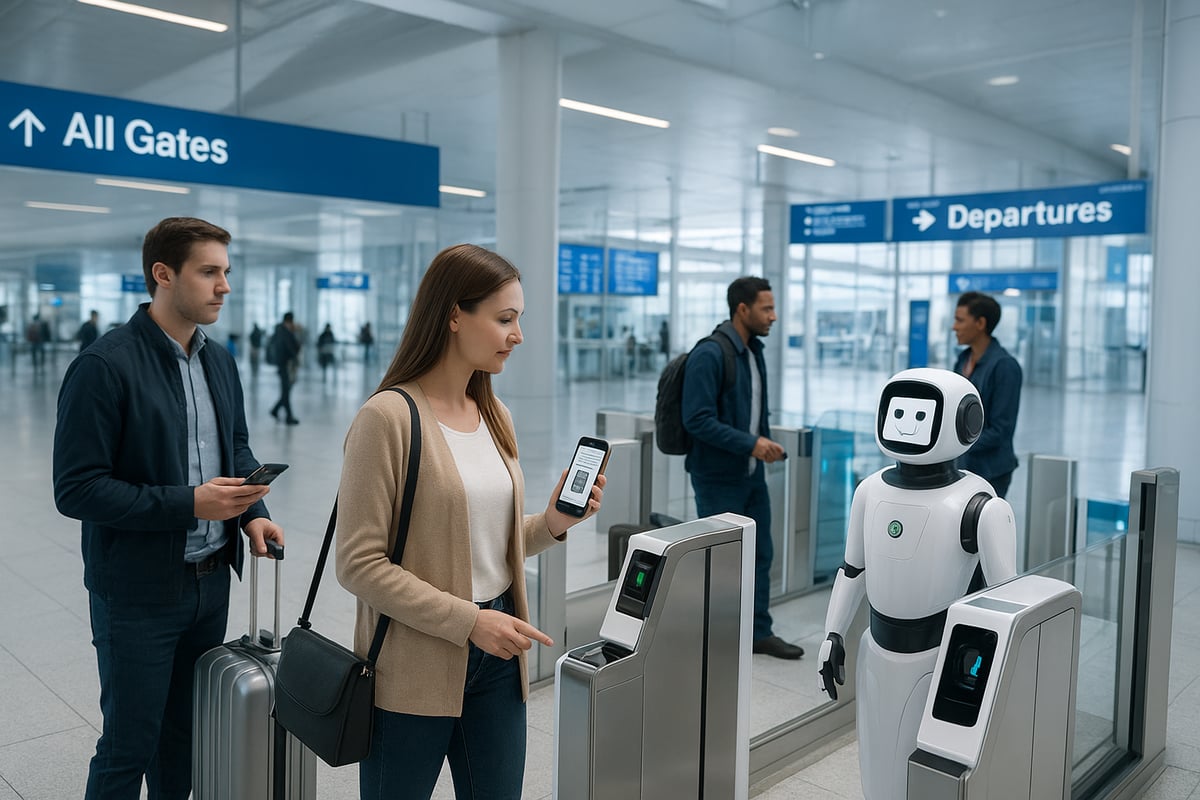
Digital Innovations Streamlining Transfers
Digital tools are at the heart of modern flight transfers. Mobile boarding passes, e-gates, and biometric identity checks are now standard at leading airports. These innovations speed up passenger flow, reduce queuing, and improve overall security.
For example, Delta Air Lines has implemented facial recognition boarding at Atlanta, allowing travelers to move from check-in to gate with minimal delay. Many airports now offer self-service bag drops and interactive kiosks, further streamlining the process. For those curious about additional options, services like Airport transfers services explained provide details on dedicated airport transfer solutions tailored to different traveler needs.
Digital wayfinding and real-time signage also help passengers navigate terminals more efficiently, minimizing the risk of missed connections.
Real-Time Flight and Connection Alerts
Staying informed is crucial during flight transfers. Airline and third-party apps deliver live updates on gate changes, delays, and rebooking options. Push notifications alert travelers instantly, allowing for quick adjustments to their plans.
According to recent data, 75% of travelers rely on mobile notifications for flight updates. This widespread adoption helps ensure that passengers never miss important announcements about their journey. These tools can also provide alternate route suggestions in case of disruptions, making transfers smoother and less stressful.
With these real-time alerts, travelers can confidently manage their connections and avoid last-minute surprises.
AI-Powered Travel Assistants and Chatbots
Artificial intelligence is reshaping the support available during flight transfers. Virtual assistants and chatbots offer instant answers to questions about gates, transfer times, and airport facilities. They can also manage itineraries and provide step-by-step guidance through complex terminals.
Lufthansa’s AI-powered chatbot is a prime example, helping passengers with everything from booking changes to finding the nearest lounge. These intelligent systems learn from user behavior, continually improving their responses.
By integrating AI, airlines and airports are delivering more personalized and efficient service, making each transfer less overwhelming.
Smart Baggage Tracking Solutions
Modern flight transfers benefit greatly from smart baggage tracking. RFID tags and app-based systems let travelers monitor their checked luggage in real time. This technology has led to a significant drop in lost baggage incidents.
Passengers can receive alerts about their bag’s location and status, reducing anxiety during tight connections. Many airlines now offer mobile notifications when luggage is loaded or ready for pick-up.
These innovations not only improve reliability but also empower travelers to quickly resolve any baggage issues that may arise during their journey.
Future Trends: Autonomous Transfers and Robotics
Looking ahead, autonomous technology will further revolutionize flight transfers. Driverless shuttles and robotic luggage carts are being piloted at major airports like Tokyo Haneda. These solutions promise to make connections faster and more accessible for all passengers.
Robots are already assisting with wayfinding, information, and even food delivery within terminals. As these technologies mature, predictions for 2026 suggest that fully autonomous transfer services will become increasingly common.
Embracing these trends ensures that travelers will experience greater convenience and efficiency, no matter where their journey takes them.
Tips for Stress-Free Flight Transfers
Mastering flight transfers can transform a stressful journey into a smooth, even enjoyable experience. With the right preparation, you can avoid the most common pitfalls and make your connections confidently, no matter where you are in the world.
Booking Smarter: Airline Alliances and Codeshares
When planning flight transfers, booking through airline alliances or codeshare partners offers significant advantages. A protected transfer—where all flights are on the same booking—ensures that airlines coordinate your connections and take responsibility for delays or missed flights. This approach reduces your risk, as data shows that codeshare itineraries experience 85% fewer missed connections.
Consider using private transfer options for added convenience and reliability, especially when connecting between airports or managing tight schedules. For an overview of these services and how they can complement your booking strategy, see the general private transfers overview.
By choosing alliances like Star Alliance, SkyTeam, or Oneworld, you streamline your journey and gain access to shared check-in counters, baggage handling, and lounge access. This makes flight transfers both safer and more comfortable.
Choosing the Right Connection Time
Selecting the ideal layover window is crucial for smooth flight transfers. Each airport sets its own minimum connection time (MCT), which varies by route and carrier. For domestic transfers, 60 to 90 minutes is often sufficient. International connections generally require at least 2 hours to allow for security, immigration, and potential delays.
Check your airport’s MCT before booking. Remember, some airports are sprawling or require long walks or inter-terminal trains. Add extra buffer time during peak travel seasons or when connecting to international flights.
A safe connection window reduces stress and increases your chances of a successful transfer. Always factor in time for unexpected events, like late arrivals or gate changes.
Navigating Large and Complex Airports
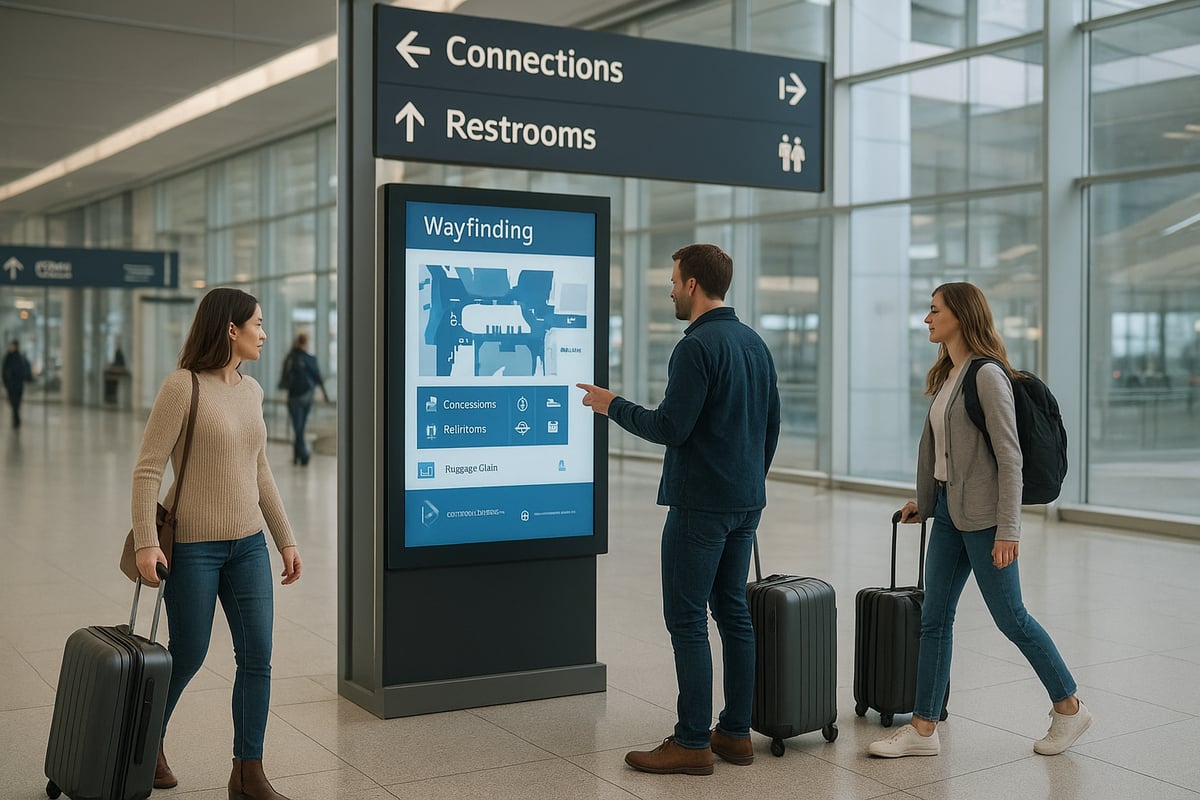
Major hubs like Frankfurt and Charles de Gaulle present unique challenges for flight transfers due to their size and complexity. To navigate these airports efficiently, study airport maps in advance and download the airport’s mobile app for real-time updates.
Use airport trains, moving walkways, or shuttles to speed up terminal changes. Follow clear signage for “Flight Connections” or “Transfer” zones. If you are short on time, prioritize fast-track security lanes or ask airport staff for guidance.
Table: Strategies for Navigating Major Airports
| Strategy | Benefit |
|---|---|
| Download airport app | Real-time updates |
| Use airport train | Faster terminal transfer |
| Follow signage | Reduces confusion |
| Ask for help | Saves valuable minutes |
Efficient navigation is key to stress-free flight transfers in busy airports.
Preparing for International Transfers
International flight transfers require extra attention to detail. Always check visa requirements for your transfer country—even if you remain airside. Some airports require transit visas, especially in places like the UK or USA.
Identify if your airport has a dedicated transit zone, which can simplify your connection. For long layovers, consider booking an airport hotel to rest and refresh between flights. Many terminals offer day rooms or sleep pods for added comfort.
Prepare all travel documents in advance, including boarding passes, visas, and onward tickets. Being organized reduces the risk of missed connections and ensures a smoother journey.
Health, Safety, and Comfort During Transfers
Taking care of your well-being is essential during flight transfers. Stay hydrated by carrying a refillable water bottle and drinking regularly. Rest whenever possible, especially on longer layovers—many airports now offer wellness zones, nap pods, or quiet lounges for travelers.
Stay informed about the latest health screening protocols for 2026. Some airports may require temperature checks or digital health passes. Wash your hands frequently and keep a mask handy if local regulations require it.
Prioritize comfort by wearing loose clothing and packing snacks in your carry-on. These small steps contribute to a stress-free flight transfers experience.
Money-Saving Tips for Transfers
Flight transfers can be costly if you are not careful. Avoid extra baggage fees by packing efficiently and checking your airline’s baggage policy before travel. Compare lounge access prices—some credit cards or frequent flyer programs offer complimentary entry.
Look for free airport amenities, such as showers, Wi-Fi, or relaxation zones. Use airport transport options like free shuttles instead of taxis. Many airports offer free city tours for passengers with long layovers, providing value and an opportunity to explore.
By planning ahead and using available resources, you can save money while making your flight transfers more enjoyable.
Solutions for Special Transfer Scenarios
Travelers often face unique challenges during flight transfers, especially when special circumstances arise. Whether journeying with family, needing accessibility support, or navigating tight schedules, understanding the right strategies makes a significant difference. Below, we address the most common special scenarios and provide expert tips for seamless flight transfers.
Family and Group Transfers
Managing flight transfers as a family or group requires extra coordination. Children, elderly relatives, or large parties can slow down movement through terminals. To streamline the process, pre-book adjacent seats, request family boarding, and use group check-in counters when possible.
Many airports now offer family-friendly amenities. Look for kids’ play zones, priority security lanes, and stroller rentals. For particularly complex itineraries, or if your group needs to move between different airports in a city, consider specialized airport-to-airport transfer solutions to minimize stress and ensure everyone arrives together.
Clear communication and a shared itinerary help prevent confusion. Assign a group leader to manage documents, and use messaging apps to stay connected in crowded airports.
Accessible Transfers for Passengers with Reduced Mobility
Flight transfers can present obstacles for passengers with reduced mobility, but modern airports are increasingly equipped to assist. Notify your airline of any mobility needs at least 48 hours in advance so they can arrange wheelchair support, electric carts, or dedicated staff assistance.
Airports such as Heathrow feature accessibility teams trained to help with connecting flights. Facilities like accessible bathrooms, tactile floor markings, and priority security screening are now standard in many hubs. When planning flight transfers, check airport layouts online to identify the shortest routes and available elevators.
Always confirm assistance arrangements upon check-in. Carry a printed summary of your needs in case you need to communicate them quickly during your journey.
Overnight and Long Layover Strategies
Long or overnight layovers are common during flight transfers, especially on intercontinental routes. To maximize comfort, research whether the airport provides sleep pods, quiet zones, or 24-hour lounges. Booking an airport hotel is often the best choice for rest and security during extended waits.
For those who prefer to stay in the terminal, pack a travel pillow, eye mask, and snacks. Some airports offer guided city tours for layovers over six hours, turning a potential inconvenience into a mini-adventure. Always keep your essentials close and stay updated on your next boarding gate.
Check local regulations regarding overnight stays, as some airports may restrict terminal access during certain hours. Plan ahead to avoid surprises.
Handling Transfers with Tight Timings
Tight layovers demand careful planning. When booking flight transfers, select seats near the front of the plane for quick disembarkation. If possible, use fast-track immigration or security services to save precious minutes.
Pack light to minimize time spent at baggage claim. If you anticipate a short connection, notify airline staff upon boarding; they may assist with expedited transfers or provide real-time updates. Monitor your connecting flight’s gate and status using airline apps.
In case of delays, remain calm and approach airline counters immediately for rebooking or assistance. Preparation is key to making even the shortest connections work.
Navigating Transfers During Disruptions
Weather, strikes, and unexpected events can threaten to derail even the best-planned flight transfers. Stay informed by signing up for airline and airport notifications. If a disruption occurs, know your rights regarding rebooking and compensation.
Airports have contingency plans for major disruptions. In recent years, hubs like Frankfurt and JFK have implemented temporary lounges, distributed meal vouchers, and arranged ground transport during extended delays. If you must transfer between airports due to a disruption, specialized transfer services can help bridge the gap efficiently.
Keep all travel documents and receipts for claims. Flexibility and prompt action are your best allies during unpredictable circumstances.
Frequently Asked Questions About Flight Transfers
Navigating flight transfers can be confusing, especially with evolving travel protocols and airport layouts. Below, you’ll find clear answers to the most common questions travelers ask about flight transfers in 2026.
What is the minimum connection time at major airports?
Minimum connection times (MCT) vary widely depending on the airport and whether your transfer is domestic or international. For most major hubs, the MCT ranges from 45 minutes for domestic to 90 minutes for international flight transfers. Always check your airline’s guidelines and consider extra time for passport control or security. Booking protected flight transfers helps ensure you meet these requirements.
Can I leave the airport during a layover?
Yes, you can usually leave the airport if your layover is long enough and local visa requirements are met. However, for international flight transfers, ensure you have the necessary documentation and allow ample time to return, clear security, and reach your gate. Always check local regulations before planning a city excursion.
What happens if my first flight is delayed?
If your flight transfers are on a single booking (protected transfer), airlines will typically rebook you at no extra cost. For self-transfer itineraries, you are responsible for missed connections, so travel insurance is highly recommended. Always contact your airline or booking platform immediately in case of delays.
How do I transfer between different airports in the same city?
Transferring between airports requires careful planning, as you’ll need extra time for ground transport, baggage collection, and check-in. For example, if you’re connecting in Paris, consult this Paris airport transfer guide for tips and private transfer options between Charles de Gaulle and Orly. Always allow at least 3–4 hours for inter-airport flight transfers.
Do I need to re-check my baggage at every transfer?
For protected flight transfers, your checked baggage is usually tagged to your final destination. With self-transfer or separate tickets, you must collect and re-check baggage at each stop. Always confirm baggage policies with your airlines before you travel.
Are airport lounges worth it for short layovers?
Airport lounges provide comfort, refreshments, and Wi-Fi. For short layovers, lounges can be worthwhile if you value a quiet space to relax or need to refresh quickly between flight transfers. Some lounges offer pay-per-use access, making them a flexible choice.
Is travel insurance necessary for connecting flights?
Travel insurance is highly recommended for all flight transfers, especially for self-transfer bookings. It can cover costs related to delays, missed connections, and lost baggage, giving you peace of mind and financial protection during your journey.
After exploring the ins and outs of flight transfers in 2026, you now have the tools to make every connection smoother and less stressful. Whether you're facing tight layovers, navigating new airport tech, or simply want to enjoy a seamless journey, having reliable ground transportation can make all the difference. If you’re looking for a truly comfortable and effortless airport transfer, let us take care of your next connection with our professional chauffeurs and luxury vehicles. Ready to make your trip stress free from touchdown to takeoff? Book now and experience the ultimate in convenience and peace of mind.